Simplifying AI Trading: Harnessing Multi-Agent Strategies
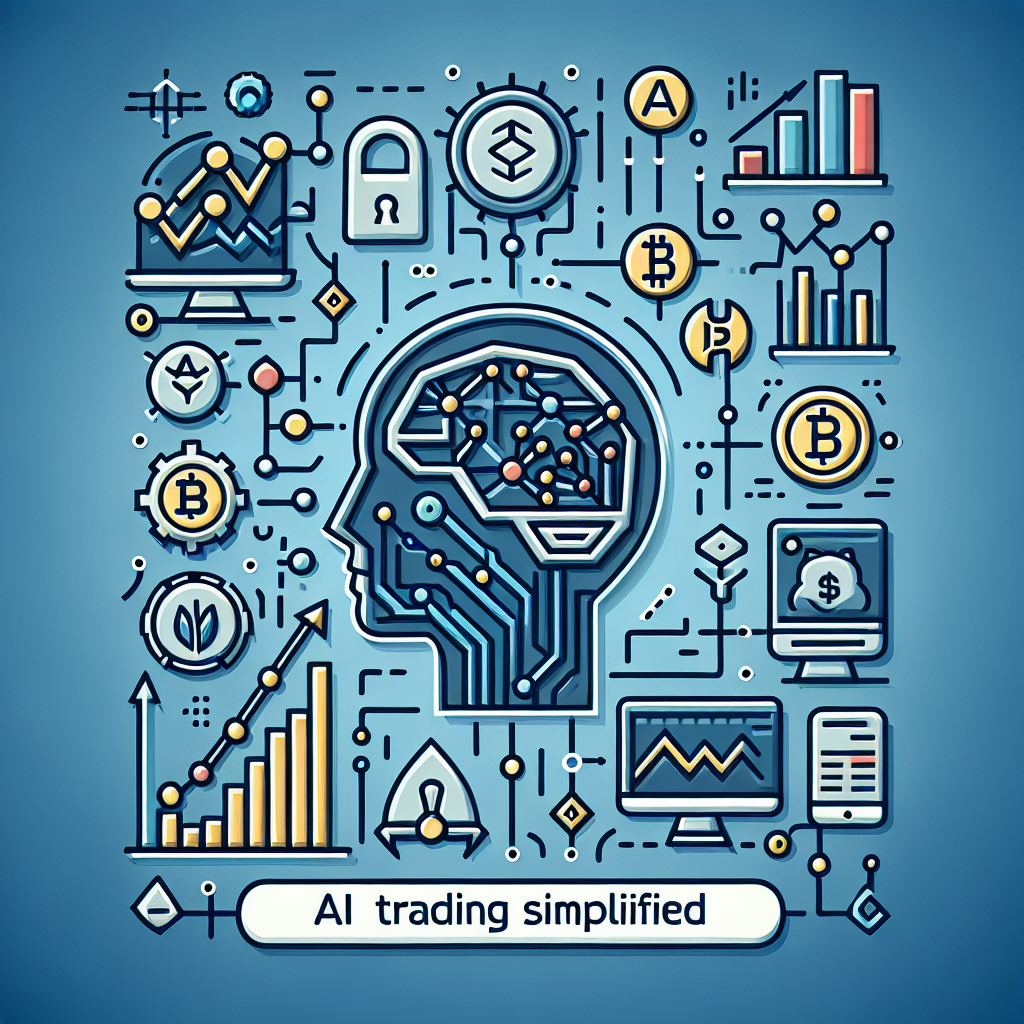
AI Trading Made Simple: A Comprehensive Guide
In today's swiftly evolving digital landscape, artificial intelligence (AI) is shaking up a multitude of industries, and finance is certainly no exception. Trading—especially in the cryptocurrency space—is becoming more automated, with AI taking the lead. Let’s delve into how AI trading simplifies the process, making it approachable for both newbies and experienced traders alike.
Understanding AI Trading in Cryptocurrency
AI trading harnesses advanced algorithms and machine learning models to analyze data and execute trades. In the ever-volatile cryptocurrency market, which never sleeps, AI can provide a significant advantage. So, what makes AI trading so straightforward and effective in this arena?
The Basics of Cryptocurrency AI Trading
AI trading platforms in cryptocurrency sift through massive datasets to spot patterns and predict price fluctuations. Leveraging historical data, technical analysis, and even sentiment gleaned from news and social media, these systems make well-informed trading decisions. The outcome? A seamless trading experience that quickly adapts to shifting market conditions.
Key Features of AI Trading Systems
- Data Collection and Analysis: AI systems pull data from a variety of sources—market charts, news outlets, and social media—to deliver a comprehensive view of the market.
- Pattern Recognition: By spotting patterns in historical data, AI models can forecast future price movements with impressive accuracy.
- Sentiment Analysis: AI assesses market sentiment—determining whether investors feel optimistic or pessimistic—by scrutinizing news headlines and social media discussions.
- Automated Execution: Once a trade signal emerges, AI can automatically execute trades, ensuring no opportunity slips through the cracks.

The Role of Multi-Agent Systems in AI Trading
One of the most thrilling developments in AI trading is the rise of multi-agent systems. These innovative setups consist of various AI agents, each assigned a specific role, working together to boost trading effectiveness.
How Multi-Agent AI Systems Work
- Data Gathering Agents: These agents collect raw data from an array of sources, like exchanges and news platforms, consolidating it for analysis.
- Analytical Agents: Utilizing tools such as OpenAI and DeepSeek, these agents process the accumulated data, honing in on technical indicators and sentiment.
- Decision-Making Agents: These agents scrutinize the analyses to pinpoint the most promising trades based on clear strategies.
- Execution Agents: Tasked with executing trades on both CEX (centralized exchanges) and DEX (decentralized exchanges), they ensure trades are placed quickly and accurately.
Benefits of Multi-Agent Systems
- Increased Accuracy: With specialized agents concentrating on different domains, there's a greater chance of making sound trading moves.
- Efficiency: Automation minimizes the time and effort required from traders, allowing them to focus more on strategy rather than mere execution.
- Scalability: Multi-agent systems can seamlessly adapt to manage larger datasets and tackle more intricate trading scenarios.
Making AI Trading Accessible: Simplifying the Process
AI trading platforms are created to streamline the trading process, making it user-friendly for everyone—from beginners to veterans. Here’s how they accomplish this:
User-Friendly Interfaces
Most AI trading platforms feature intuitive dashboards that present key metrics and indicators in a clear and digestible manner. This allows traders to quickly grasp market dynamics and make informed choices.
Customizable Trading Strategies
Many AI trading platforms offer users the flexibility to tailor their trading strategies according to their individual risk tolerance and investment objectives. Traders can pick from a variety of pre-set algorithms or tweak parameters to align with their preferences.
Continuous Learning and Improvement
AI systems are dynamic, continuously learning from incoming data to enhance their accuracy. This adaptability ensures trading strategies stay effective, even as market conditions shift.
An Example of Cutting-Edge AI Trading: CrewDegen
A standout example of an advanced AI trading system is CrewDegen. This fully autonomous multi-agent trading system integrates numerous AI agents, each handling unique functions. By gathering technical data, analyzing sentiment, and making independent trading decisions, CrewDegen illustrates how AI can revolutionize crypto trading across both centralized and decentralized exchanges.

AI Trading Strategies: From Theory to Practice
To make AI trading successful, it's crucial to implement effective strategies. Let's take a look at some commonly used strategies within AI systems:
Technical Analysis
AI systems employ technical analysis to predict price movements based on past market data. By scrutinizing charts and patterns, AI can pinpoint potential buy and sell signals with remarkable accuracy.
Sentiment Analysis
AI trading systems also harness sentiment analysis to gauge market mood. By evaluating news articles and social media posts, AI can forecast how market sentiment might influence prices, enabling traders to take advantage of market psychology.
Arbitrage Opportunities
AI excels at spotting arbitrage opportunities—discrepancies in prices between different exchanges. By purchasing low on one exchange and selling high on another, AI systems can turn a profit with minimal risk.
Advantages and Challenges of AI Trading
Here's a quick overview of the pros and cons linked with AI trading:
| Advantages | Challenges | Considerations |
|---|---|---|
| Speed and Efficiency | Complexity of Algorithms | Need for Supervision |
| Data-Driven Decisions | High Initial Set-up Costs | Continuous Monitoring |
| 24/7 Operation | Dependence on Data Quality | Risk Management |
Advantages
- Speed and Efficiency: AI can process and analyze data at speeds that far surpass human capability.
- Data-Driven Decisions: Relying on quantitative data helps minimize emotional bias in trading.
- 24/7 Operation: AI systems can function around the clock, capitalizing on market movements as they occur.
Challenges
- Complexity of Algorithms: Designing and comprehending advanced algorithms can be intimidating.
- High Initial Set-up Costs: Implementing AI trading systems often requires a significant financial commitment.
- Dependence on Data Quality: Accurate data is vital—subpar data can lead to erroneous conclusions and potential losses.
Conclusion: Embracing AI for Smarter Trading
In conclusion, AI trading is reshaping the cryptocurrency investment landscape. By demystifying complex processes and providing valuable insights, AI empowers traders to confidently navigate the turbulent crypto market. Whether you're just starting out or you're a seasoned professional, embracing AI can revolutionize your trading approach. As systems like CrewDegen continue to advance, the future of trading appears not only more exciting—but also more accessible—than ever before.