AI-Driven Automated Prop Trading: Unlock Your Potential
Exploring the Realm of Automated Prop Trading
In the fast-moving world of financial markets, where trading dynamics can change in an instant, speed and efficiency reign supreme. This is where automated proprietary trading, or automated prop trading, steps in — a groundbreaking method that harnesses advanced algorithms and machine learning to transform the way trades are executed. In this article, we’ll dive into the details of automated prop trading, examining its workings, advantages, and implications for the future of trading.
What is Automated Proprietary Trading?
Automated proprietary trading involves using algorithmic systems designed to trade securities in financial markets with minimal or no human involvement. These advanced systems leverage sophisticated algorithms capable of processing vast amounts of data, identifying trading opportunities, and executing trades at lightning-fast speeds that human traders simply can't match.
Understanding the Basics of Algorithmic Trading
Algorithmic trading, often interchangeable with automated trading, relies on a set of predefined instructions. These can revolve around timing, price, quantity, or even complex mathematical models. One major benefit of this approach is its ability to make decisions swiftly — reducing the chances of manual errors while optimizing trading outcomes.
The Role of Artificial Intelligence in Automated Trading
A vital element of automated prop trading is artificial intelligence (AI). AI equips trading systems with the capability to analyze both structured and unstructured data, including news articles, social media trends, and intricate financial indicators. With its ability to learn and adapt from past performances, AI-driven trading systems continuously refine their strategies to enhance future results.
Key Benefits of Automated Prop Trading
The integration of automated prop trading systems brings a host of advantages, making it a compelling choice for both traders and financial institutions.
Speed and Efficiency
Speed stands out as one of the most significant benefits. Automated systems can execute trades in milliseconds, seizing fleeting market opportunities that humans would likely miss.
Data-Driven Decision Making
By leveraging quantitative analysis, automated trading systems can make well-informed trading decisions. This data-centric approach helps minimize the emotional biases that often plague human traders, leading to more consistent and objective results.
Scalability and Flexibility
Automated prop trading systems excel at handling multiple assets across various markets simultaneously, making them incredibly scalable. They can be adjusted for different strategies, from high-frequency trading to long-term investment methods.
Challenges and Risks in Automated Prop Trading
Despite the numerous advantages, automated trading systems come with their own set of challenges.
System Failures and Market Volatility
Technical glitches and failures can occur with automated trading systems. Moreover, they can sometimes amplify market volatility by executing large volumes of trades in a short timeframe. While such incidents are rare, their potential to disrupt markets is significant.
Regulatory Concerns
Automated trading systems must adhere to stringent financial regulations, which can differ across regions. Ensuring compliance with these regulations demands constant monitoring and adjustments, which can be quite complex.
Implementing Automated Trading Systems
Introducing an automated trading system involves several important considerations. Here’s a breakdown of the steps and factors to take into account when adopting such systems.
- Data Collection and Analysis: Gather historical and real-time market data for thorough analysis.
- Algorithm Development: Create and test trading algorithms to verify their effectiveness.
- Risk Management: Implement strong risk management protocols to safeguard against potential losses.
- System Testing and Optimization: Conduct back-tests and fine-tune algorithms for various market conditions.
- Deployment: Roll out the trading system on both centralized exchanges (CEX) and decentralized exchanges (DEX).
Multi-Agent Systems: A New Era in Trading
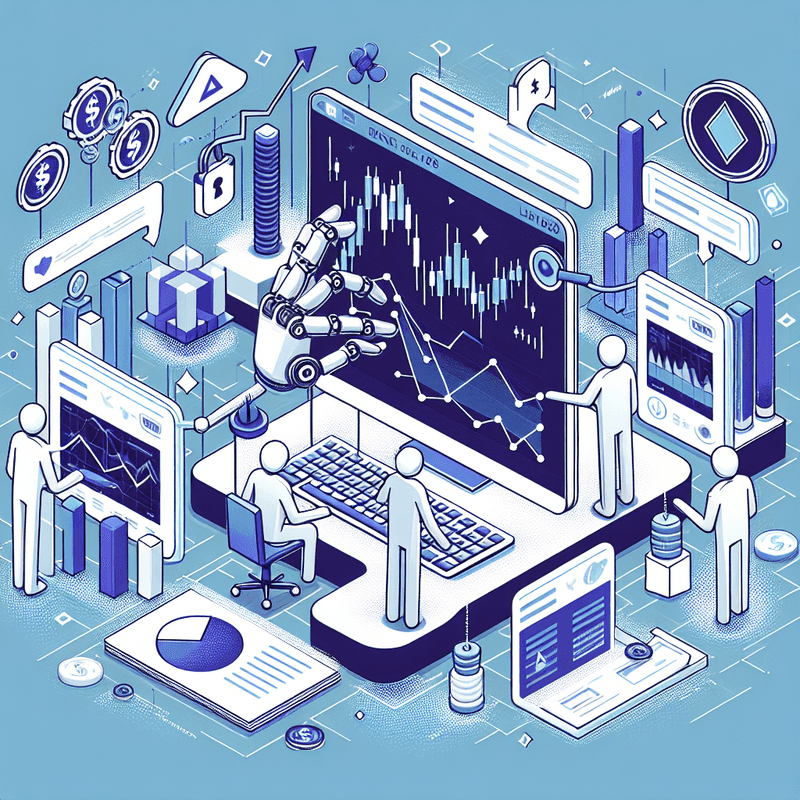
Multi-agent systems, exemplified by CrewDegen, mark a significant evolution in automated trading. These systems deploy multiple AI agents, each specializing in various tasks such as data gathering, sentiment analysis, and trade execution. By utilizing technologies like OpenAI and Gemini, CrewDegen can autonomously navigate intricate trading scenarios, executing trades across CEX and DEX platforms while adapting to market changes in real time.
Comparing Automated and Manual Trading
To fully grasp the nuances of automated trading, we should compare it to traditional manual trading methods. Below is a table showcasing key differences.
| Aspect | Automated Trading | Manual Trading |
|---|---|---|
| Speed | Milliseconds | Minutes to hours |
| Decision Making | Based on algorithms and data | Human intuition and analysis |
| Emotional Influence | Minimal | Significant |
| Scalability | High | Limited |
| Error Rate | Low | Higher due to human mistakes |
The Future of Automated Prop Trading
As technology continues to evolve, the scope and capabilities of automated prop trading are on track to expand even further. With ongoing advancements in AI and machine learning, these systems are set to become increasingly efficient and sophisticated. Traders and firms that embrace these innovations could find themselves leading the charge in market evolution, reaping rewards in terms of speed, accuracy, and profitability.
Conclusion
Automated prop trading signifies a major step forward in finance, delivering unmatched speed and efficiency. However, it's essential for stakeholders to remain aware of the inherent risks and challenges involved. By understanding and addressing these issues, traders can unlock the full potential of automated systems, paving the way for a more dynamic and responsive trading landscape. In this rapidly changing environment, staying informed and adaptable will be the key to thriving.