Crypto Prop Trading vs Forex: A Smart AI Comparison
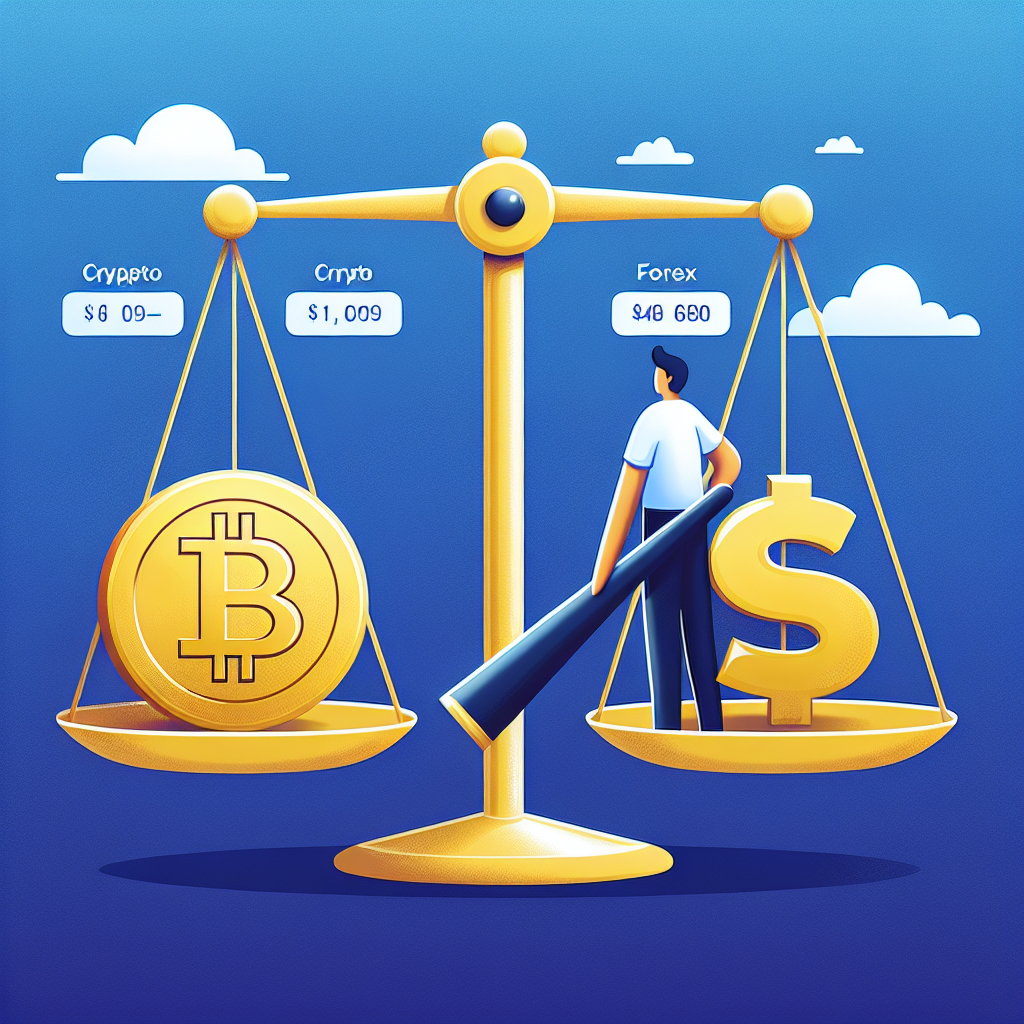
Crypto Prop Trading vs Forex: An In-Depth Analysis
In the ever-changing landscape of financial markets, crypto prop trading and forex trading have emerged as two vibrant fields that capture the interest of both novice traders and seasoned investors alike. With rapid technological advancements and shifting market dynamics, grasping the nuances and differences between these two trading realms is vital for anyone ready to step into the trading scene. In this article, we’re going to dive deep into the contrasts and similarities between crypto proprietary trading and forex trading. Our aim? To help you make an informed choice about where to channel your efforts.
Understanding Crypto Proprietary Trading
What is Crypto Prop Trading?
Crypto proprietary trading, commonly known as prop trading, involves utilizing a firm's own capital to trade crypto assets. In this model, prop traders aim to generate profits by capitalizing on market inefficiencies and price movements of digital assets—rather than relying on customer funds. This trading style demands sophisticated strategies and effective risk management techniques.
How Does Crypto Prop Trading Work?
The prop trading model in the crypto space leans heavily on complex algorithms and real-time data analysis. Traders, or teams of traders, utilize methods like arbitrage, market making, and high-frequency trading to seize profits from market volatility. Typically, prop trading firms provide access to their proprietary software, capital, and sometimes mentorship, ensuring talented traders have everything they need to excel.

Key Strategies in Crypto Prop Trading
- Arbitrage: Exploiting price discrepancies for the same asset across various platforms.
- Market Making: Supplying liquidity by placing buy and sell orders to profit from bid-ask spreads.
- High-Frequency Trading (HFT): Utilizing advanced algorithms to execute numerous orders in mere milliseconds.
The Forex Trading Landscape
What is Forex Trading?
Forex trading, often referred to as foreign exchange trading, involves the buying and selling of currency pairs within the world's largest and most liquid market. Traders make their moves by speculating on the price changes between different currencies, generating profits through fluctuations in exchange rates.
Mechanics of Forex Trading
Operating 24 hours a day, forex trading is facilitated through a decentralized global network. The market is heavily influenced by macroeconomic factors, geopolitical events, and central bank policies. Traders often employ leverage to magnify their positions, enabling them to control significant amounts of money with a relatively small initial investment.
Common Forex Trading Strategies
- Scalping: Capturing quick profits from minor price movements over short time frames.
- Day Trading: Taking advantage of intraday price fluctuations without holding positions overnight.
- Swing Trading: Maintaining positions for a few days to tap into short- to medium-term trends.
Crypto Prop Trading vs Forex: Core Differences
Volatility and Market Dynamics
One key distinction between crypto and forex trading is market volatility. Cryptocurrencies are known for their unpredictable swings — price changes of 10% or more in a single day are quite common. While this volatility can create both opportunities and risks, forex markets tend to show less volatility, being more influenced by macroeconomic trends and central bank directives.
Accessibility and Market Hours
Though both crypto and forex markets offer 24/7 trading, the crypto market is truly open all the time. In contrast, forex operates five days a week. This gives crypto traders the flexibility to seize opportunities at any hour from a vast network of exchanges, including centralized exchanges (CEX) like Binance and decentralized exchanges (DEX) like Uniswap.
Technological Integration
Technology is a cornerstone in both trading arenas. In crypto trading, platforms like CrewDegen showcase state-of-the-art trading systems. CrewDegen is an autonomous multi-agent trading system that collects news and technical data, employs AI for sentiment and indicator analysis, and executes trades on both CEX and DEX platforms. Such innovations underline the high-tech landscape of crypto trading.
Risk and Reward Management
Typically, crypto trading involves heightened risks given its volatile nature, yet it also presents the chance for substantial rewards. Forex trading might offer more stability but tends to require larger positions and greater leverage for similar returns. Traders in both sectors must maintain robust risk management strategies to guard against possible losses.
Table: Crypto Prop Trading vs Forex Trading
| Feature | Crypto Prop Trading | Forex Trading |
|---|---|---|
| Market Volatility | High | Moderate |
| Trading Hours | 24/7 | 24/5 |
| Leverage | High, but varies by platform | Typically high, often up to 500:1 |
| Technological Tools | Advanced AI and algorithmic systems | Predominantly algorithmic platforms |
| Regulatory Environment | Evolving and varied by jurisdiction | More established, globally consistent |

Choosing Between Crypto Prop Trading and Forex
Factors to Consider
When weighing your options between crypto prop trading and forex trading, keep these factors in mind:
- Risk Appetite: Are you okay with high volatility and the potential for swift gains and losses?
- Time Commitment: Do you have the ability to monitor the markets round the clock, or would you rather work within more defined trading hours?
- Technological Comfort: Are you prepared to utilize advanced trading technologies and AI systems?
- Regulatory Comfort: Do you prefer a regulated environment, or are you fine with the fluid regulations surrounding crypto?
Pros and Cons
Crypto Prop Trading
Pros:
- High potential returns due to volatility.
- Cutting-edge technologies and innovative trading strategies.
- 24/7 market access.
Cons:
- Regulatory uncertainty and increased risk.
- Requires advanced technical skills and tools.
Forex Trading
Pros:
- More stable and regulated atmosphere.
- Established trading systems and leverage options.
- Comprehensive market analysis and data.
Cons:
- Lower volatility might limit profit potential.
- May require significant capital to achieve meaningful returns.
Conclusion: Navigating Your Trading Journey
Both crypto prop trading and forex trading come with their own sets of advantages and challenges. The essential thing is to evaluate your personal trading objectives, risk tolerance, and comfort level with technology before delving into either market. Whether you find yourself drawn to the cutting-edge world of crypto or the stability offered by forex, understanding these key differences and aligning them with your trading strategy is crucial for long-term success.
In a constantly evolving environment, tools like CrewDegen empower traders to harness advanced technology, enabling more informed and autonomous trading decisions. As you embark on your trading journey, keep in mind that education and ongoing learning are your greatest allies in mastering the art of trading.