Prop Trading for Beginners: Unlock Your Investment Potential

Prop Trading for Beginners: A Comprehensive Guide
Stepping into the realm of proprietary (prop) trading can feel like venturing into uncharted territory. Whether you're a seasoned investor ready for a change or a complete novice excited to explore new avenues in financial markets, grasping the intricacies of prop trading is crucial. This guide will take you through the essentials and nuances of prop trading, laying a solid foundation for beginners.
What is Proprietary Trading?
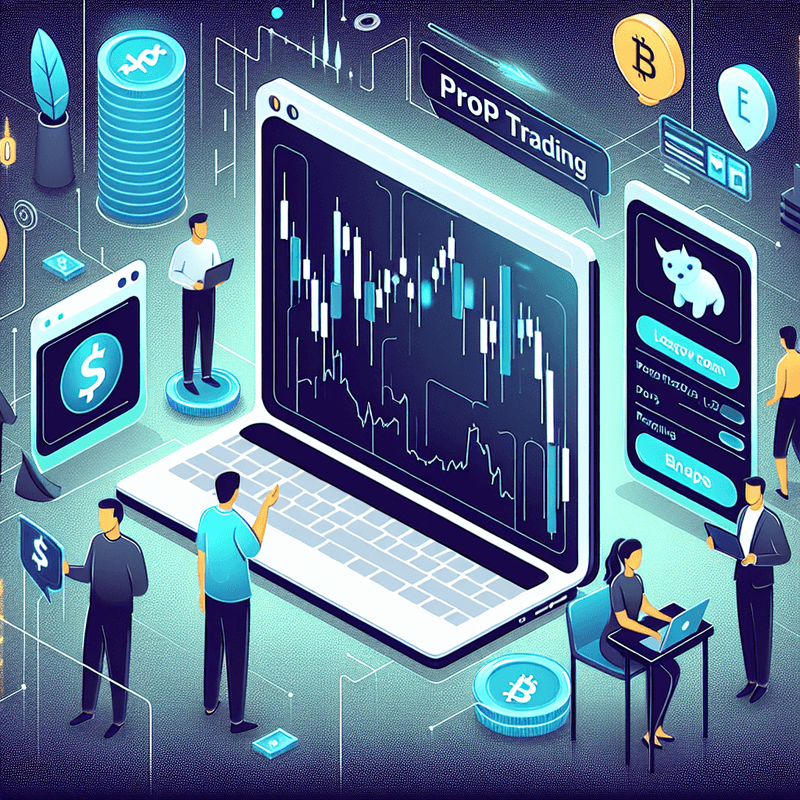
Proprietary trading, commonly known as prop trading, involves financial firms trading with their own capital instead of working with clients' funds. The main aim? Generating profits for the firm's account. This method allows firms to leverage their assets and resources to achieve higher returns.
Why Choose Prop Trading?
Diving into prop trading brings a host of advantages:
- Access to Capital: Firms provide traders with significant capital, which can be a huge draw for those who may lack enough personal funds to trade effectively.
- Leverage: With access to this capital, traders can take larger positions, potentially amplifying their returns.
- Advanced Tools and Resources: Many firms equip traders with sophisticated trading platforms, data feeds, and analytical tools—essential for making informed trading decisions.
- Risk Management: Although prop trading comes with its own risks, firms implement strict risk management strategies to safeguard their capital, offering traders valuable insights into effective practices.
Getting Started with Prop Trading for Beginners
For newcomers, delving into prop trading may seem overwhelming. However, breaking down the process into manageable steps can make it more approachable. Here’s a route to help you get started:
- Educate Yourself: Dive into the basics of financial markets and trading. Get familiar with different asset classes, trading strategies, and risk management techniques.
- Select a Prop Trading Firm: Do your research and pick a reputable prop trading firm that aligns with your goals and trading style.
- Gain Experience: Start off with a demo account to practice your trading strategies without risking real money.
- Develop Your Strategy: Formulate a solid trading plan that clearly outlines your goals, risk tolerance, and methods.
- Continuous Improvement: Keep an eye on market trends and refine your approach based on regular performance reviews.
Key Concepts in Prop Trading
The Role of Trading Strategies
In the world of prop trading, crafting a solid strategy is paramount. It’s essential to decide whether you’ll focus on technical analysis, fundamental analysis, or blend both approaches.
- Technical Analysis: This entails using historical price data and charts to predict future price movements. Traders often rely on indicators like moving averages, MACD, and RSI.
- Fundamental Analysis: Unlike its technical counterpart, this method digs into economic indicators, company financials, and news events that could impact asset prices.

Importance of News and Sentiment Analysis
Successful prop traders keep their fingers on the pulse of global news and overall market sentiment. Unexpected news can dramatically sway asset prices, making real-time analysis vital. Advanced tools like sentiment analysis help traders gauge market emotions, leading to more informed decisions.
The Rise of AI in Prop Trading
As technology rapidly evolves, AI tools are becoming fundamental in prop trading. These systems can analyze vast datasets and pinpoint trading opportunities accurately. Take CrewDegen, for instance—it's a fully autonomous multi-agent trading system that excels in this field. It compiles news and technical data, employs multiple AI agents for analysis, and executes trades autonomously across centralized (CEX) and decentralized exchanges (DEX). Integrating AI streamlines the process and enhances decision-making capabilities.
Understanding the Trading Environment
Centralized Exchanges (CEX) vs. Decentralized Exchanges (DEX)
- Centralized Exchanges (CEX): These platforms serve as intermediaries between buyers and sellers. They boast high liquidity and lightning-fast transaction speeds, but they require users to place their trust in the platform to manage their funds securely.
- Decentralized Exchanges (DEX): DEXs enable peer-to-peer trading without middlemen. They offer enhanced privacy but may experience lower liquidity and slower transaction times.
| Exchange Type | Security | Liquidity | Speed | Control Over Funds |
|---|---|---|---|---|
| CEX | High (platform-managed) | High | Fast | Limited |
| DEX | Moderate to High (user-managed) | Variable | Slower | Full |
Futures and Perpetual Contracts
Prop traders frequently engage with futures and perpetual contracts, which are derivatives allowing speculation on future asset prices.
- Futures Contracts: Agreements to buy or sell an asset at a predetermined price on a specific date. These contracts are standardized and available on exchanges.
- Perpetual Contracts: Similar to futures but don’t have an expiry date. They typically trade close to the underlying asset's price and often include a funding mechanism.
Challenges Facing New Prop Traders
Managing Risk
Effective risk management is a cornerstone of successful trading. Beginners should focus on minimizing losses through:
- Setting Stop-Loss Orders: Automatic sell orders triggered when a security hits a specific price.
- Position Sizing: Allocating a defined portion of your capital to each trade to limit exposure.
- Diversification: Spreading investments across various assets to minimize risk.
Emotional Discipline
Trading can take an emotional toll. New traders must cultivate the discipline to stick to their strategies and resist making impulsive decisions fueled by fear or greed.
Continuous Learning
The financial markets are ever-changing, and it's crucial to stay updated on the latest trends and strategies. Engaging in online courses, reading trading books, and joining webinars can significantly enhance your skills and knowledge.
Conclusion
Prop trading opens up a unique and potentially rewarding path for beginners looking to dive into financial markets. By arming yourself with the right knowledge, strategies, and tools, you can navigate this complex landscape with confidence. Keep in mind that the journey is just as much about learning and evolving as it is about achieving financial success. Embrace the challenges, stay informed, and continually refine your approach to thrive in the world of prop trading.