Master the Proprietary Trader Exam with AI Insights
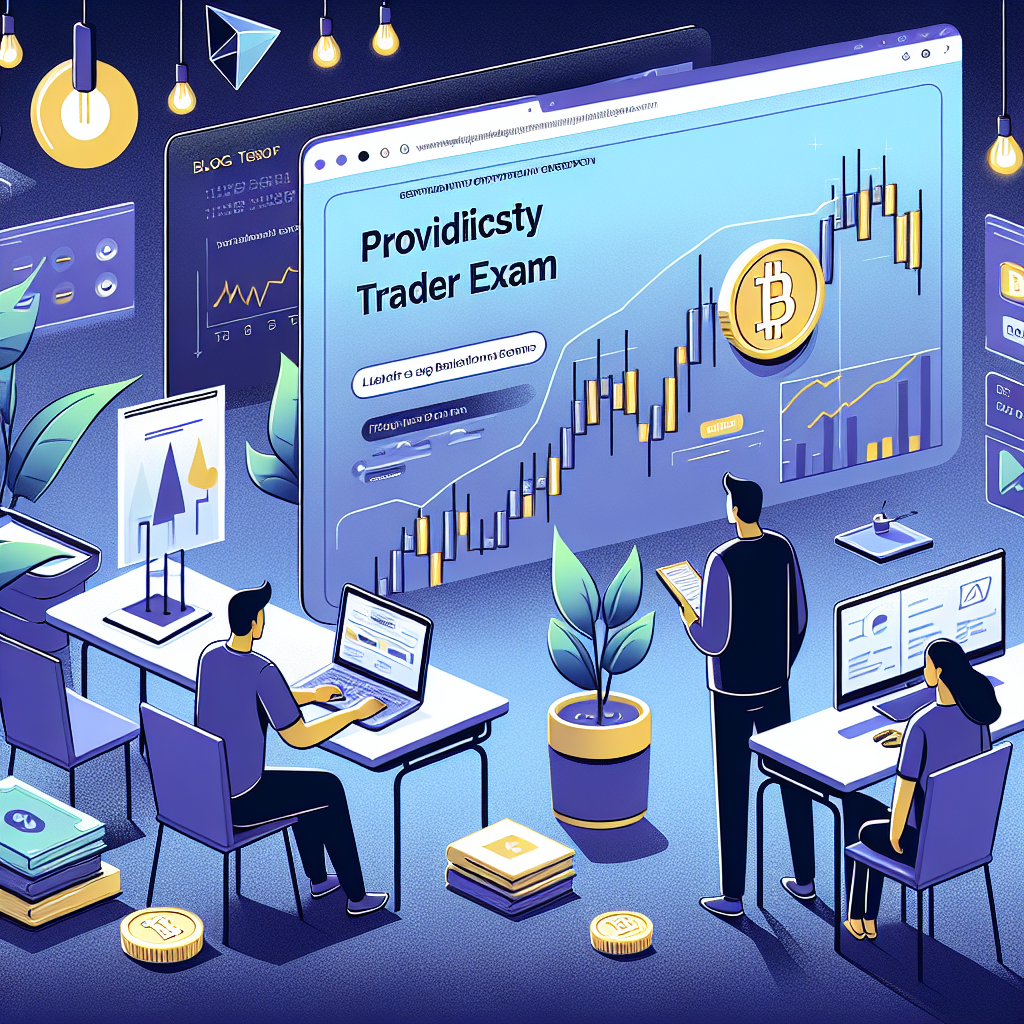
Navigating the Proprietary Trader Exam: A Comprehensive Guide
The financial markets present an ocean of opportunities, and among the most enticing paths is proprietary trading—where firms engage in trading stocks, currencies, and other financial instruments to secure direct market profits. If you’re considering stepping into this exciting world, passing the proprietary trader exam is a pivotal milestone. These exams are designed to ensure that traders have the skills and knowledge necessary to maneuver through the complexities of trading successfully.
Understanding the Proprietary Trader Exam
The proprietary trader exam assesses a trader's expertise in various trading strategies, risk management techniques, and market regulations. It’s a challenging test that demands thorough preparation. So, what can you expect from the exam, and how can you best prepare?
The Core Components of the Exam
The proprietary trader exam typically encompasses several key areas:
-
Trading Strategies: You’ll need to showcase a solid grasp of different trading methods, such as day trading, swing trading, and high-frequency trading. This portion evaluates your ability to apply these strategies in real-world contexts.
-
Risk Management: Since proprietary trading firms take on substantial financial risks, the exam focuses on your understanding of risk management strategies, including hedging and diversification to minimize potential losses.
-
Market Regulations: Familiarity with the rules and regulations governing financial markets is essential. The exam will test your knowledge of compliance requirements and ethical trading practices.
-
Technical Analysis and Indicators: You’re expected to interpret various technical indicators and analyze market trends to make informed trading choices.
-
Fundamental Analysis: This involves analyzing financial statements, economic indicators, and other relevant data to forecast market movements.
Remember, it’s not just about rote memorization—applying what you learn is crucial.

How to Prepare for the Proprietary Trader Exam
Preparation is key to succeeding in the proprietary trader exam. Here’s how to get ready:
Study Materials and Resources
- Textbooks and Guides: Begin with comprehensive textbooks covering trading strategies and market analysis.
- Online Courses: Sign up for online courses that provide structured learning frameworks and practice exams.
- Trading Simulations: Use trading simulators to hone your skills in a risk-free environment.
Practical Experience
Hands-on experience is invaluable. Here are a few steps you can take:
- Internships: Gain practical exposure by working with a trading firm to understand market dynamics and trading platforms better.
- Mock Trading: Engage in mock trading sessions to test your strategies and sharpen your decision-making abilities.
Exam Strategies
Approach the exam with a well-thought-out strategy:
- Time Management: Assign a specific amount of time to each section and stick to it, ensuring you can address all questions.
- Focus on Weak Areas: Identify challenging subjects and work to strengthen your knowledge in those areas.
- Relax and Rest: Get plenty of rest the night before the exam to ensure you're sharp and ready.
A Sample Study Plan
| Week | Focus Area | Activities | Outcome |
|---|---|---|---|
| 1 | Trading Strategies | Read textbooks, practice scenarios | Understand key strategies |
| 2 | Risk Management | Online courses, simulations | Master risk mitigation |
| 3 | Market Regulations | Case studies, compliance videos | Know the regulations |
| 4 | Technical Analysis | Chart reading, indicators practice | Proficient in analysis |
| 5 | Full Practice Exams | Timed exams, review mistakes | Refine test-taking skills |
Advanced Tools and Technologies
In our digital age, advanced tools have become essential in trading. For example, CrewDegen is an innovative multi-agent trading system that leverages AI technology to automate the trading process. By collecting news and technical data, CrewDegen employs multiple AI agents to assess sentiment and indicators, allowing for autonomous trading decisions on both centralized and decentralized exchanges (CEX and DEX). This type of system highlights the future of trading—where technology plays a crucial role in making informed decisions swiftly and with precision.
The Role of Technology in Proprietary Trading
- Algorithmic Trading: Algorithms analyze vast datasets to identify trading opportunities.
- Sentiment Analysis: AI tools evaluate market sentiment by scanning news and social media.
- Real-Time Data Processing: Solutions like CrewDegen process data in real time, giving traders immediate insights.
Benefits of Using Advanced Trading Systems
- Speed and Efficiency: Automated systems can execute trades much faster than human traders.
- Data-Driven Decisions: Relying on data helps reduce emotional biases—common pitfalls in trading.
- Continuous Monitoring: AI systems operate 24/7, providing constant market oversight unlike their human counterparts.
Conclusion
Passing the proprietary trader exam opens the door to a fulfilling career in the fast-paced world of proprietary trading. By gaining a thorough understanding of the exam's framework, diligently preparing, and harnessing advanced trading tools like multi-agent AI systems, candidates can significantly boost their chances of success. As technology continues to advance, those who adapt and leverage these innovations will undoubtedly lead the way in the next generation of traders.